Packaging

Charged film misaligns, sticks to itself and causes sealing defects on form-fill-seal and wrapping machines.

Applications

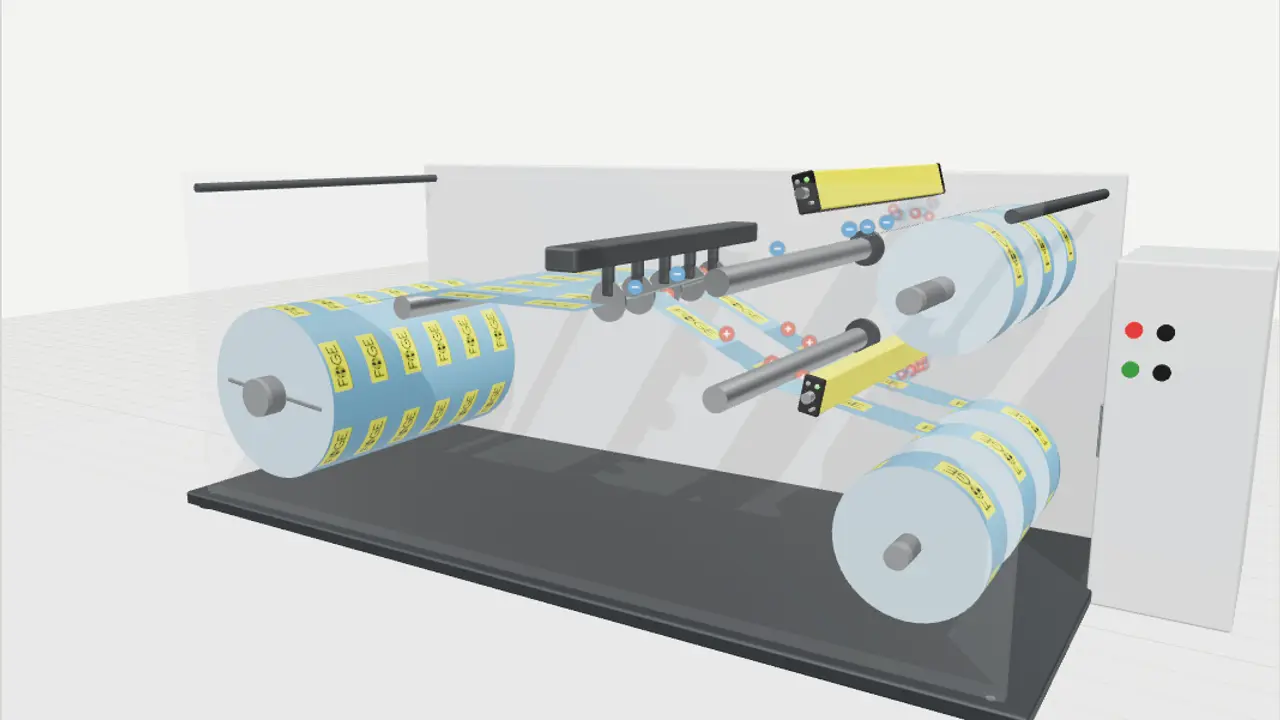
Film Winder / Rewind Station (Dual-Bar Setup)

The problem

As continuous plastic film travels at high speeds over machine rollers, friction generates a massive triboelectric static charge. If this charged film is wound up, the static electricity is trapped tightly within the layers of the roll. This "battery" effect can lead to severe electrostatic discharges (sparks) that can shock operators, ignite solvent vapors (fire hazard), and cause the film to attract dust or aggressively stick to itself when unwound by the end-user.

The solution

A dual static elimination system is employed. Two active ionizing bars are positioned right at the final winding point. One bar faces the top surface of the incoming web, while the second bar faces the bottom surface (or directly at the winding roll). This dual action floods the area with positive and negative ions, ensuring total neutralization of both sides of the material just milliseconds before it is trapped in the roll.

Application

Winding and rewinding continuous webs of plastic film, paper, foils, or textiles into safe, static-free finished rolls.

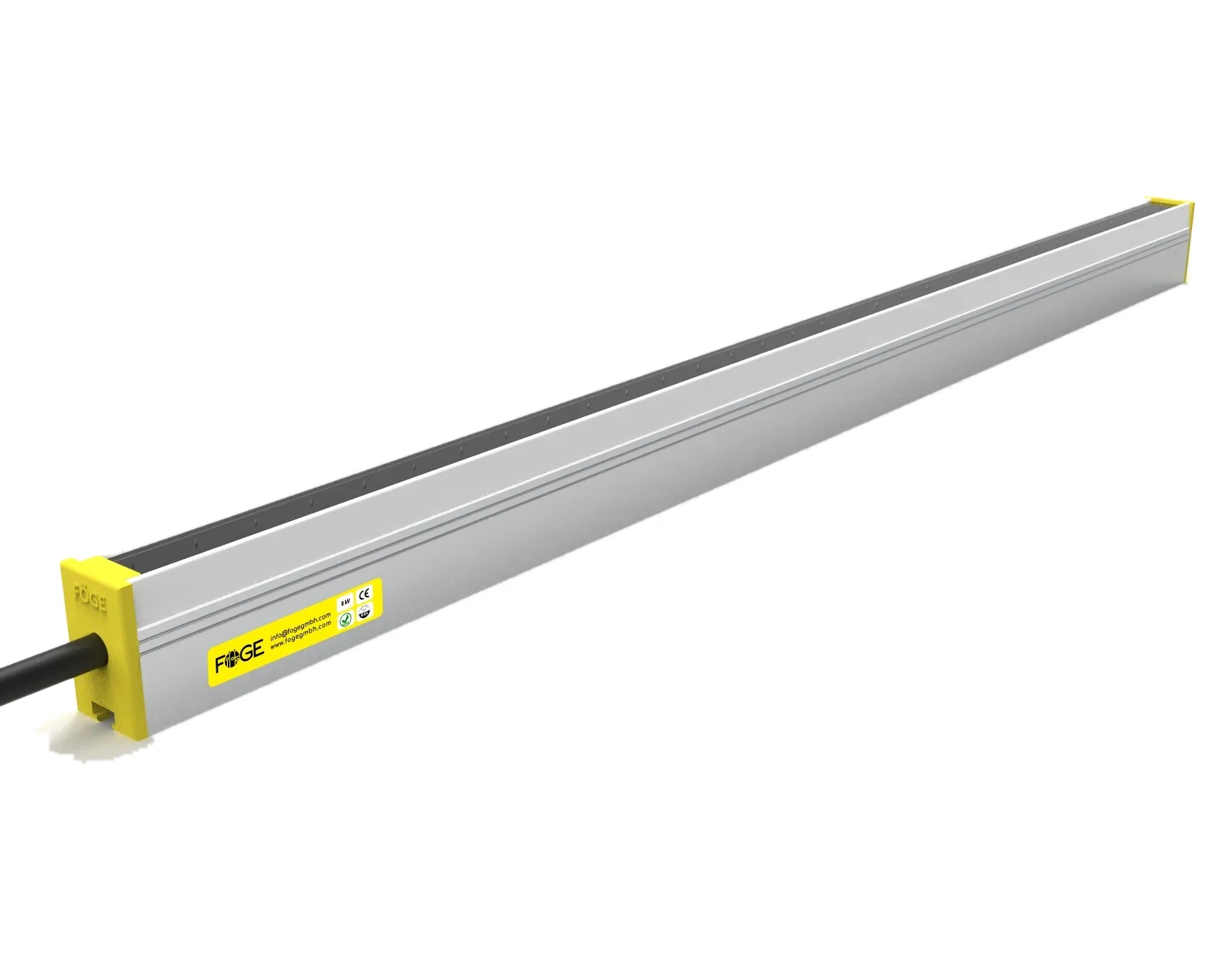
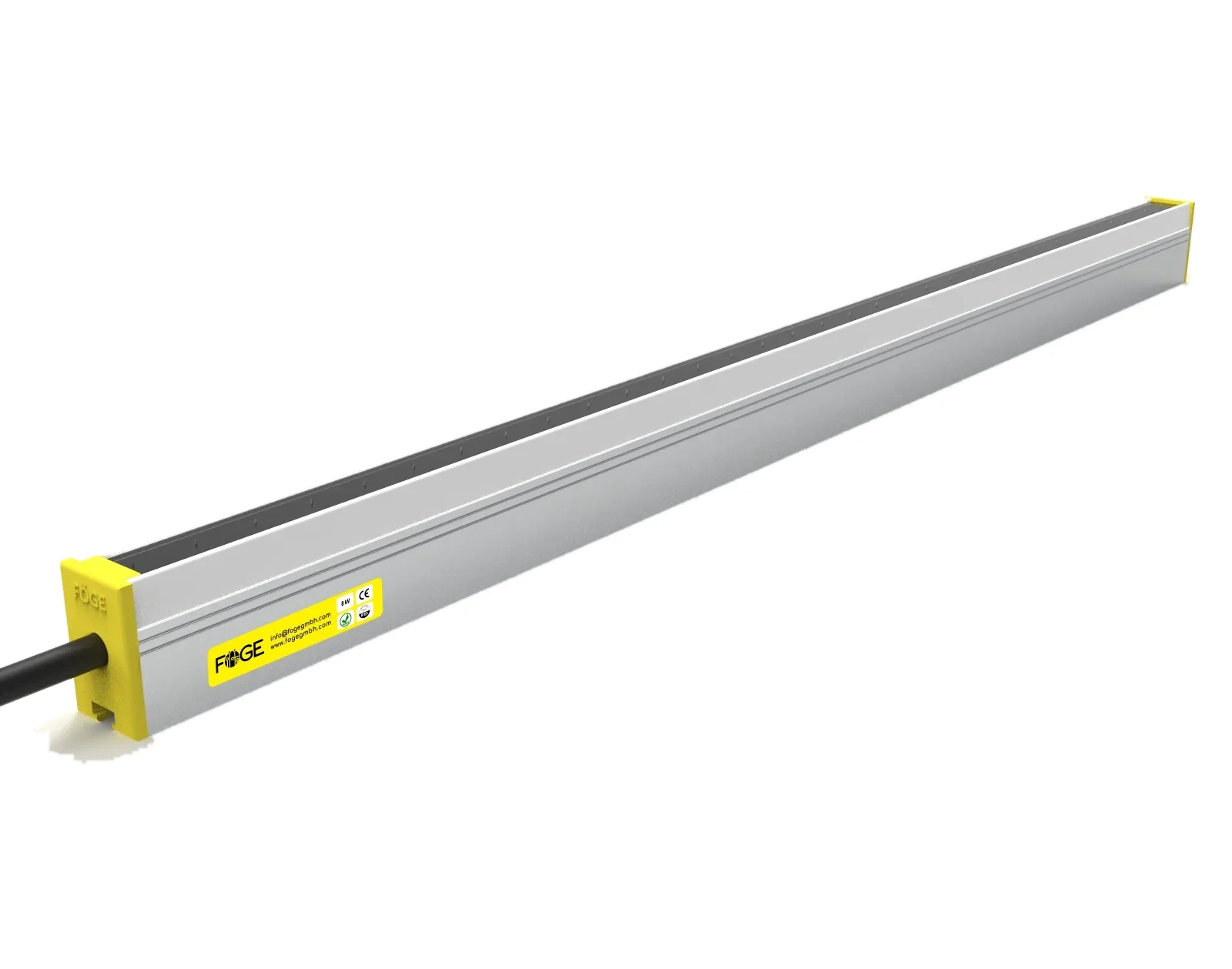
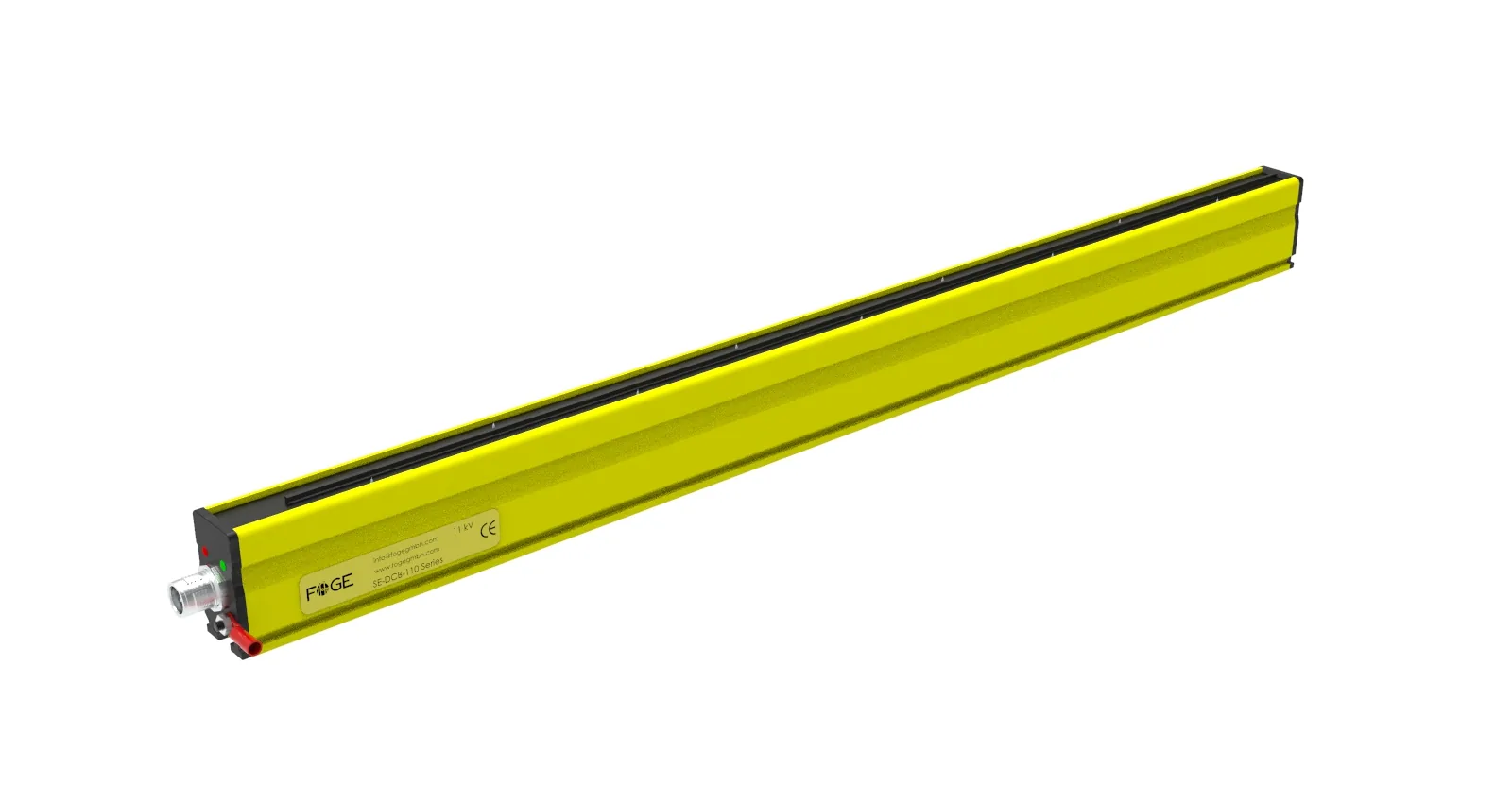
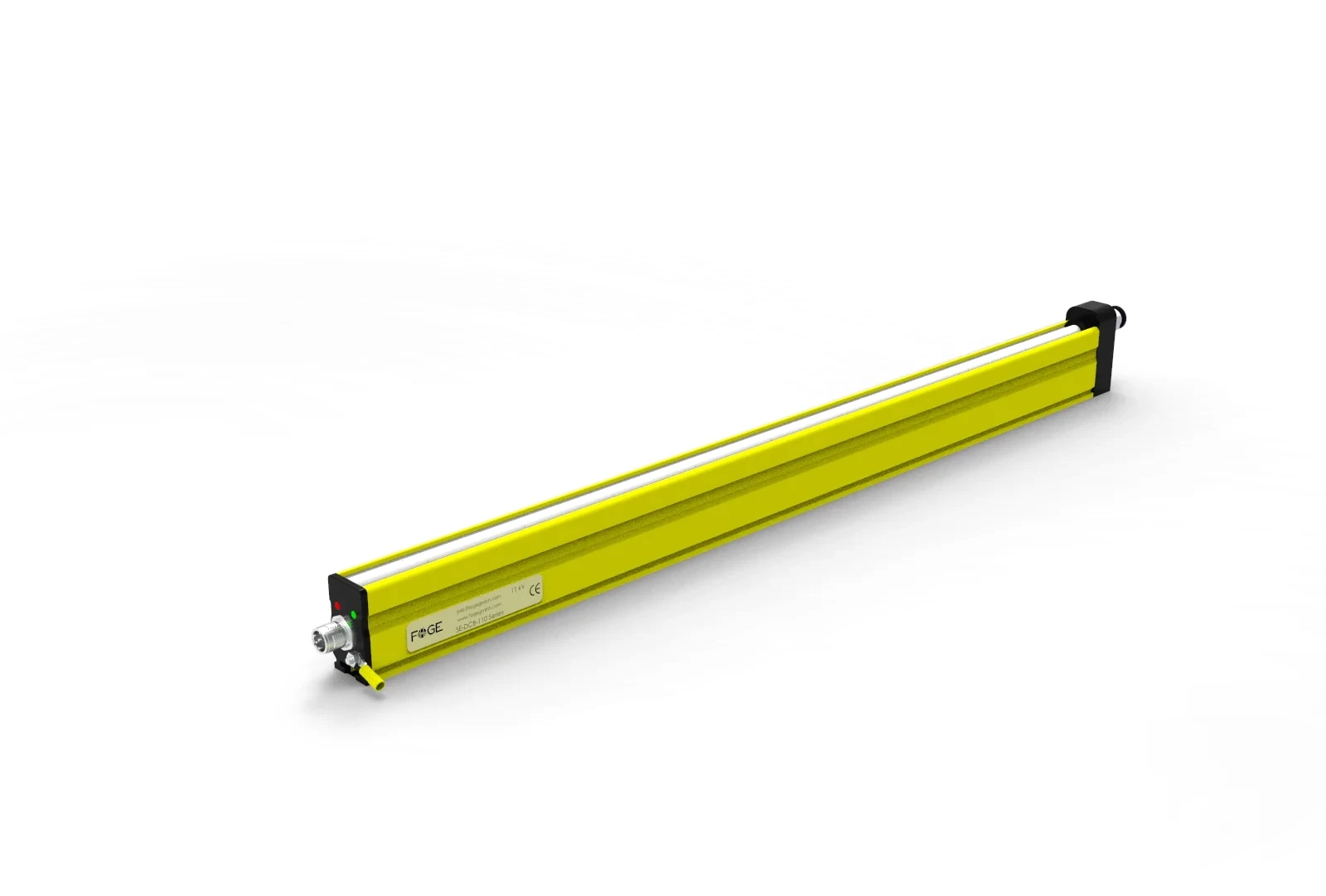
Products used: SE-DCB-110
Open the 3D application▶ Watch video

Slitter-Rewinder (Rewind Section)

The problem

As the plastic film web travels over machine rollers at high speeds, friction builds up severe static electricity. If this charged film is wound up, the static is trapped and amplified within the roll. This creates a highly charged finished product that intensely attracts dust, presents a painful shock hazard to operators, and creates a significant fire risk from electrostatic discharge (sparking) in the plant.

The solution

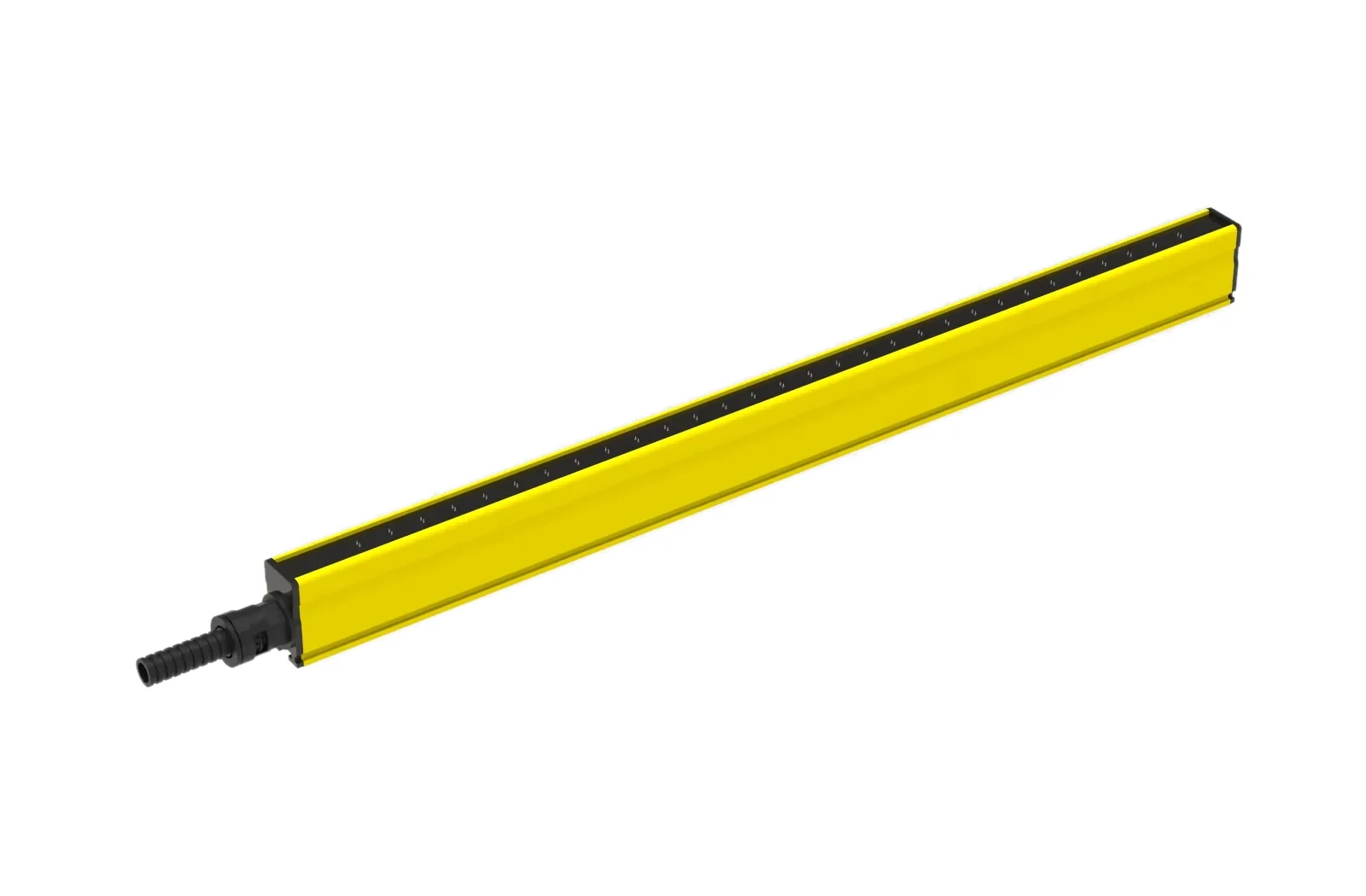
Two active ionizing bars (static eliminators) are positioned over the web just before the final winding point. These bars shower the moving material with a dense cloud of positive and negative ions, safely neutralizing the static charge on the film before it is trapped in the finished roll.

Application

High-speed winding, slitting, and rewinding of continuous plastic film, paper, or textile webs into safe, static-free rolls.

Products used: SE-DCB-90

Open the 3D application▶ Watch video

Bag Making Machine (Stacking / Delivery Section)

The problem

As the plastic film is drawn through the machine, folded, heat-sealed, and cut into individual bags, intense friction and separation processes generate severe triboelectric static charges. When these highly charged bags are ejected into the stacking area, they behave erratically: they cling to machine frames causing jams, repel each other (flying off the stack), or stick tightly together, making them difficult for operators or end-users to open.

The solution

An active ionizing bar is installed directly over the final ejection point or stacking table. It blankets the delivery area with a dense field of positive and negative ions, instantly neutralizing the static charge on each bag as it drops. This removes the electrostatic forces, allowing the bags to fall naturally and form a clean, uniform, and manageable stack.

Application

Automated high-speed production, cutting, and organized stacking of flexible plastic bags, sacks, or pouches.

Products used: SE-ACB-55

Open the 3D application▶ Watch video

Inkjet Coding / Marking Conveyor Line

The problem

Plastic parts or packaging often accumulate high static charges from previous manufacturing steps (like molding) or simply from friction as they move along the conveyor belt. When a charged object passes under an inkjet print head, the static field repels or scatters the microscopically small ink droplets. This causes "spider-webbing" (ink spray), blurry text, distorted barcodes, and ultimately, unreadable product codes.

The solution

An active ionizing bar is mounted immediately upstream of the print head. It floods the surface of the product with a neutralizing ion cloud, eliminating the static field just before printing. This ensures the ink droplets travel in a straight, precise line to the target, resulting in sharp, high-quality prints.

Application

High-speed inkjet printing of barcodes, QR codes, expiration dates, or lot numbers onto individual products, lids, or packaging.

Products used: SE-DCB-90

Open the 3D application▶ Watch video

In Mould Labeling Application

The problem

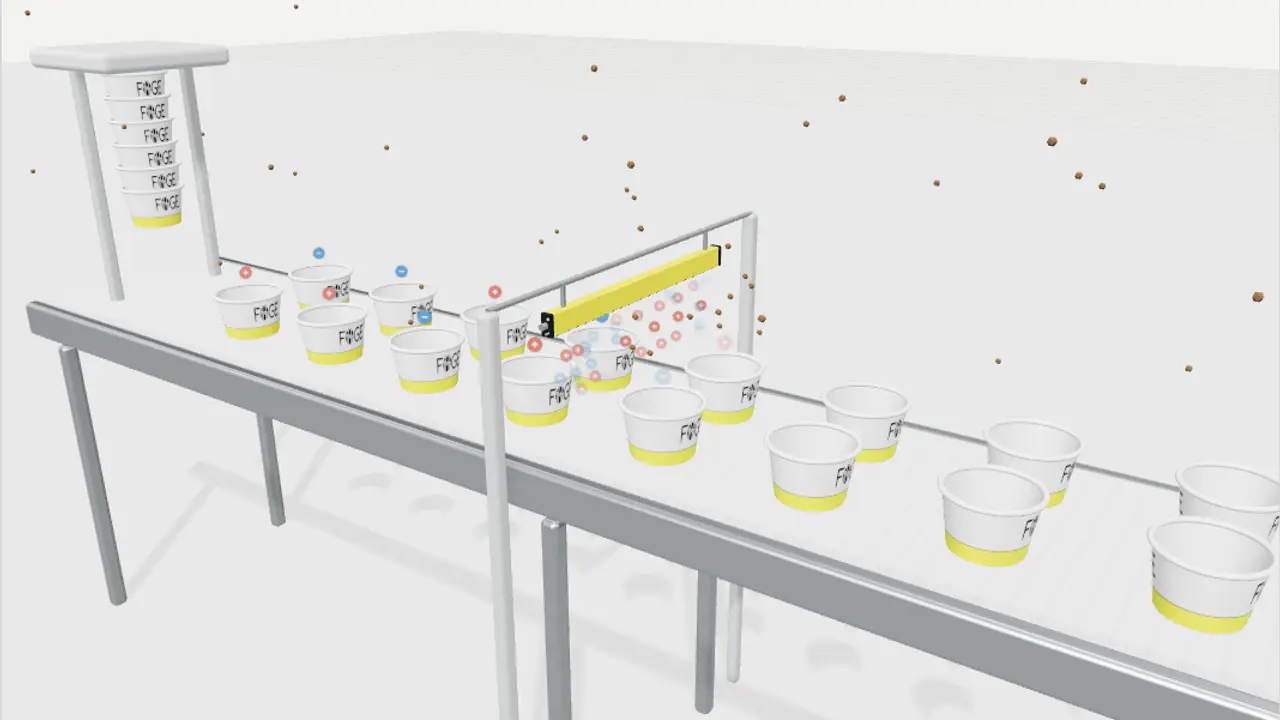
Plastic containers generate significant static charges during the molding, stacking, and unstacking (de-nesting) processes. As shown by the warning icons in the image, this high static charge acts like a magnet, attracting airborne dust and contaminants into the open containers before they can be filled. It also presents a painful electrical shock hazard to operators handling the stacks.

The solution

Overhead active ionizing bars generate a continuous shower of positive and negative ions. This neutralizes the containers as they pass underneath, preventing dust attraction, releasing any existing dust (often combined with an air blower to remove it), and eliminating the shock hazard.

Application

Transporting, separating (de-nesting), or stacking empty plastic containers, tubs, or trays on a packaging or filling line.

Products used: SE-DCB-110
Open the 3D application▶ Watch video

Vertical Form Fill Seal (VFFS) Machine / Vertical Bagging Machine

The problem

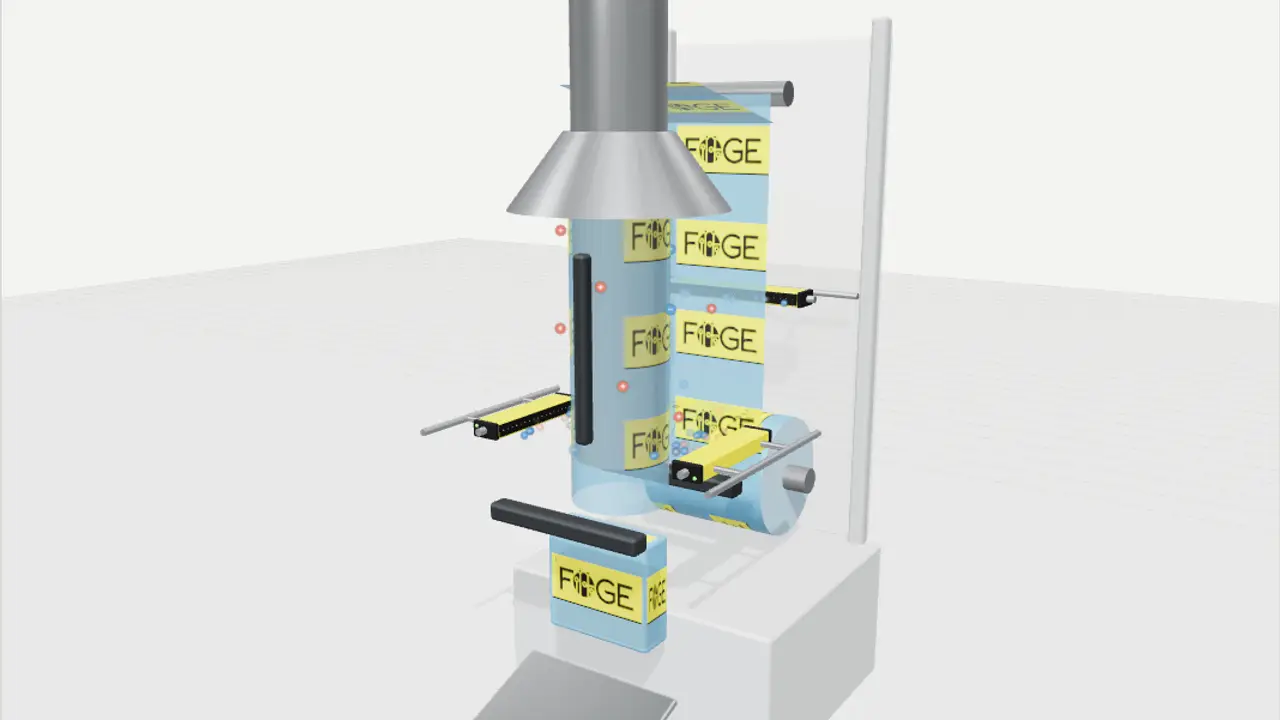
As the plastic film web unwinds and travels over rollers, it generates a high triboelectric charge. This static creates two major production bottlenecks: First, the charged film can cling to the metal forming collar, causing misfeeds and jams. Second, and most critically, static on the inside of the formed tube causes dusty, powdery, or lightweight products to fly up and adhere to the film exactly where the sealing jaws need to close. This "seal contamination" results in weak seals, leaky bags, and rejected products.

The solution

A multi-point static control approach is used. An ionizing bar neutralizes the flat web before it reaches the forming collar to ensure smooth feeding. Additional ionizing bars are strategically placed just below the sealing jaws to bathe the film tube in ions, neutralizing the static charge so the product drops cleanly to the bottom of the bag without clinging to the seal area.

Application

Automatically forming, filling (with loose solids, powders, or liquids), and sealing flexible packaging bags in high-speed production lines.

Products used: SE-DCB-90

Open the 3D application▶ Watch video

Sleeve Wrapper / Shrink Bundling Machine

The problem

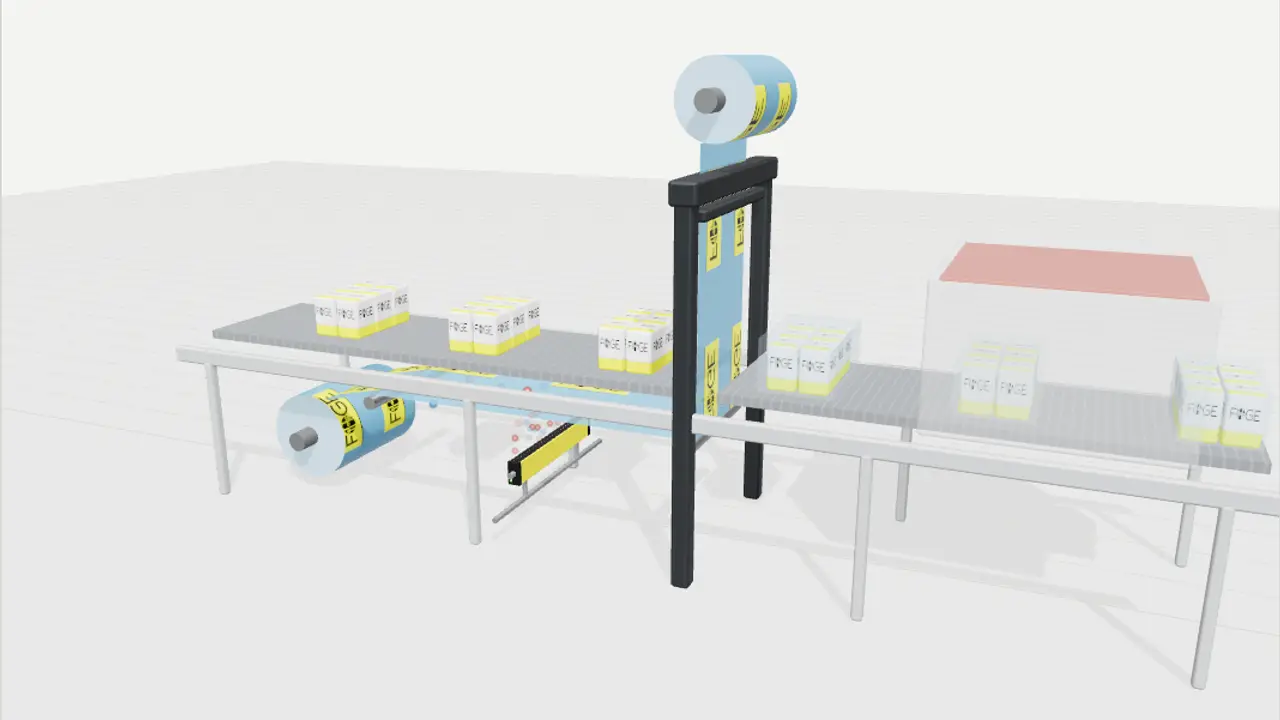
As the continuous web of plastic shrink film unwinds and feeds upward through the machine gap, it generates static electricity. This static charge causes the lightweight film to wrap around machine rollers, cling to itself, or feed unevenly, resulting in machine jams and poorly wrapped products.

The solution

An active ionizing bar is positioned right next to the film web just before it meets the product box. It neutralizes the static charge, allowing the film to feed smoothly and drape accurately around the product without clinging to the machinery.

Application

Automatically wrapping individual boxes, trays, or bundled products in plastic film (often before they pass through a heat shrink tunnel).

Products used: SE-DCB-90

Open the 3D application▶ Watch video

Roll-Fed Wrap-Around Labeling Machine

The problem

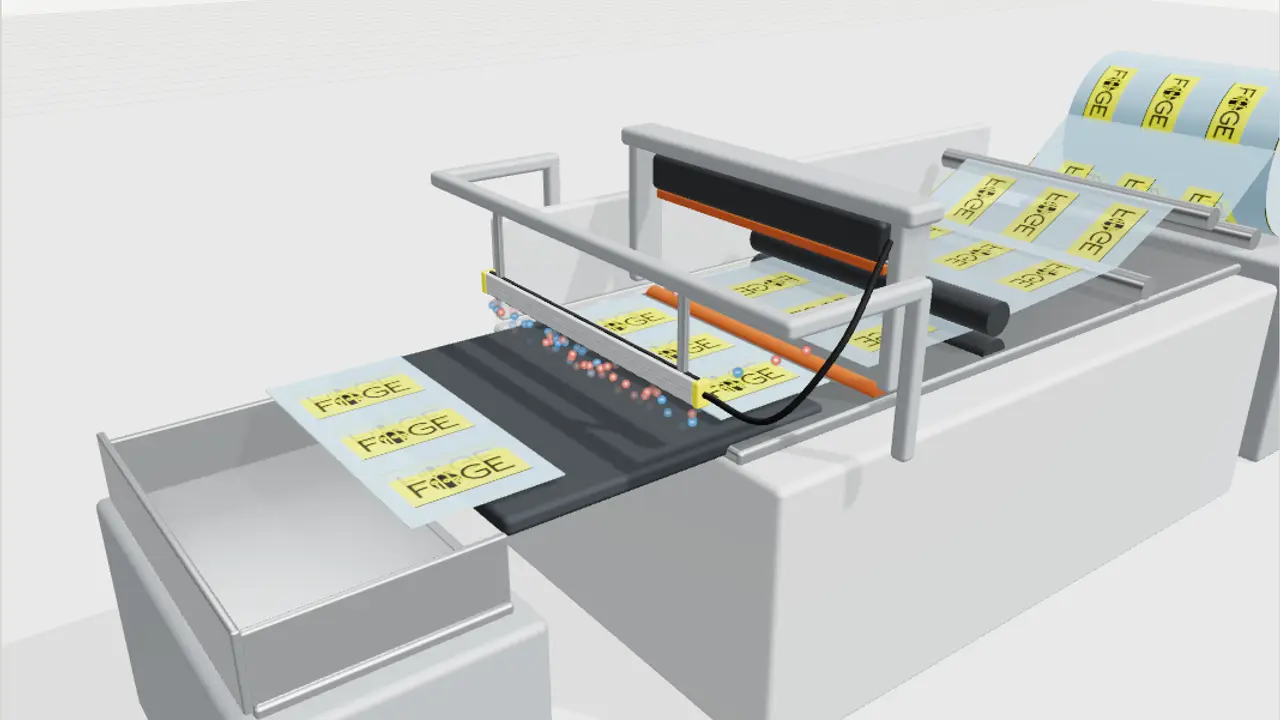
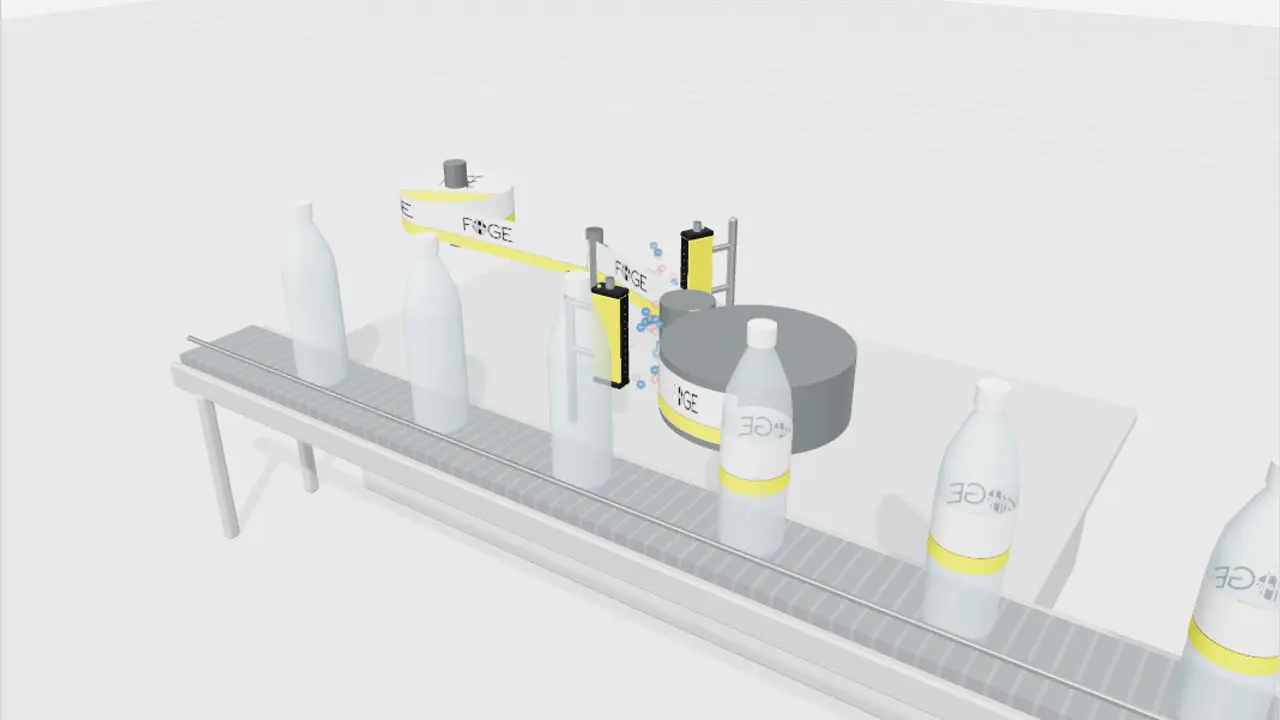
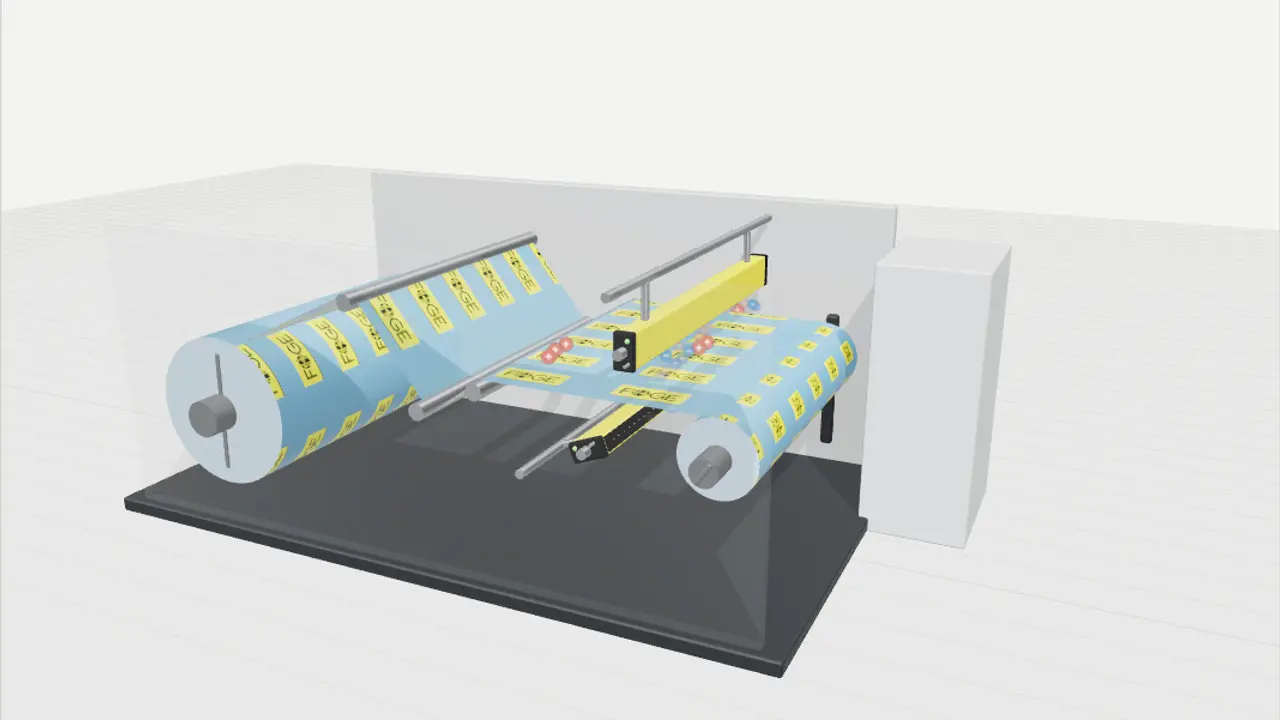
The processes of unwinding and rapid cutting generate significant triboelectric (friction-induced) static charge on the thin plastic labels. Highly charged labels will cling to machine parts, repel each other, or misalign when transferred to the container.

The solution

The visual representation of the blue field with red and blue spheres is an ion cloud. The bars emit both positive and negative ions to completely neutralize the static charge on the cut label as it passes through.

Application

Once neutralized, the label can be accurately controlled (often via vacuum belts or transfer drums, which are not pictured here for simplicity) and wrapped around the circumference of the moving plastic bottles.

Products used: SE-DCB-90

Open the 3D application▶ Watch video

Front and Back Labeling Machine (Double-Sided Labeler)

The problem

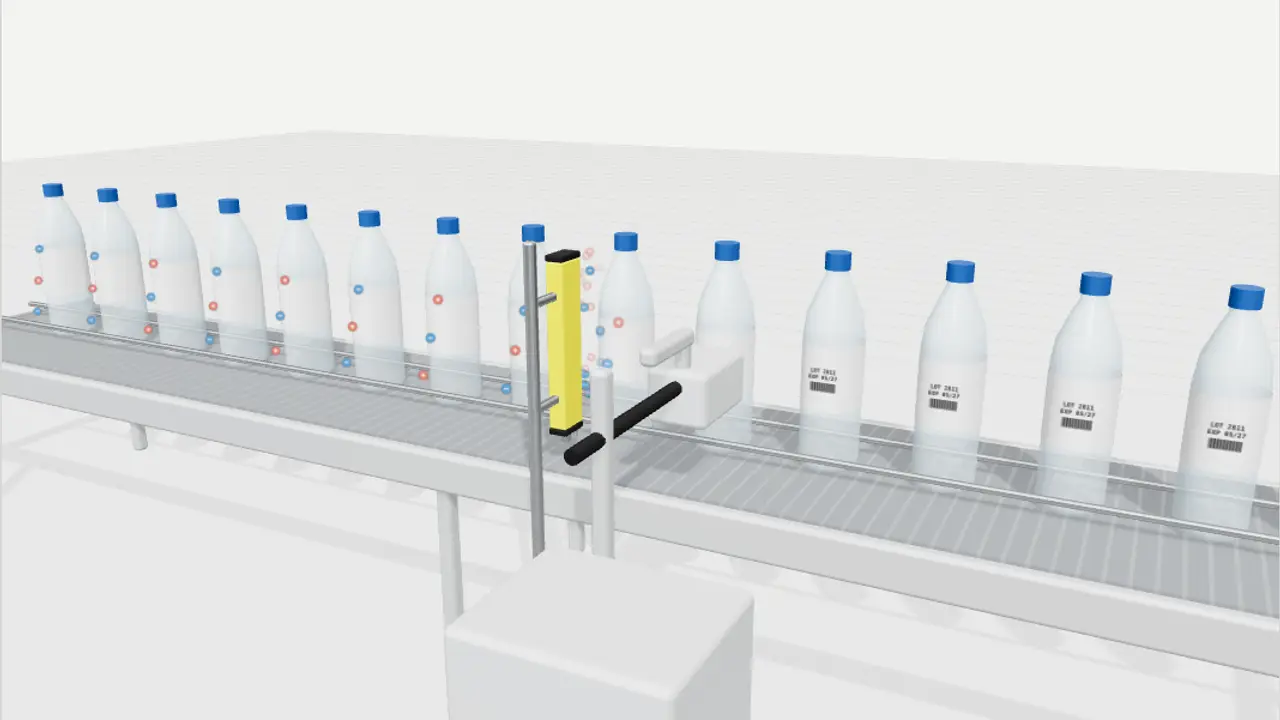
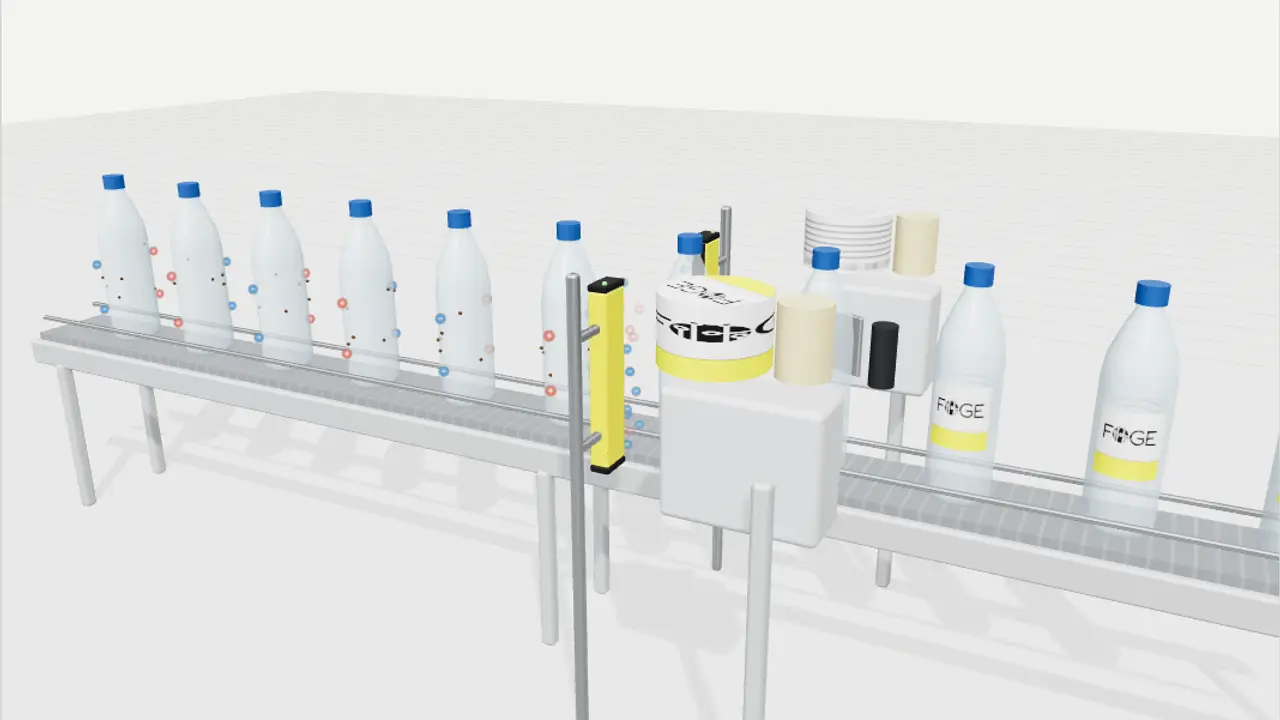
Plastic bottles build up significant static electricity as they move and rub against the conveyor belt and guide rails. This static charge creates two main issues: it attracts airborne dust to the bottle surface (causing bubbles or poor label adhesion), and it can prematurely attract or repel the incoming label, resulting in skewed, wrinkled, or misplaced labels.

The solution

A vertical active ionizing bar is mounted alongside the conveyor just before the label application point. As the bottles pass through the emitted ion field, their surface charge is neutralized, allowing for precise, flat, and accurate label placement.

Application

Automatically applying pressure-sensitive labels to one or both sides of plastic bottles or containers as they move along a high-speed conveyor.

Products used: SE-DCB-90

Open the 3D application▶ Watch video

Wrapping Machine (Electrostatic Film Pinning)

The problem

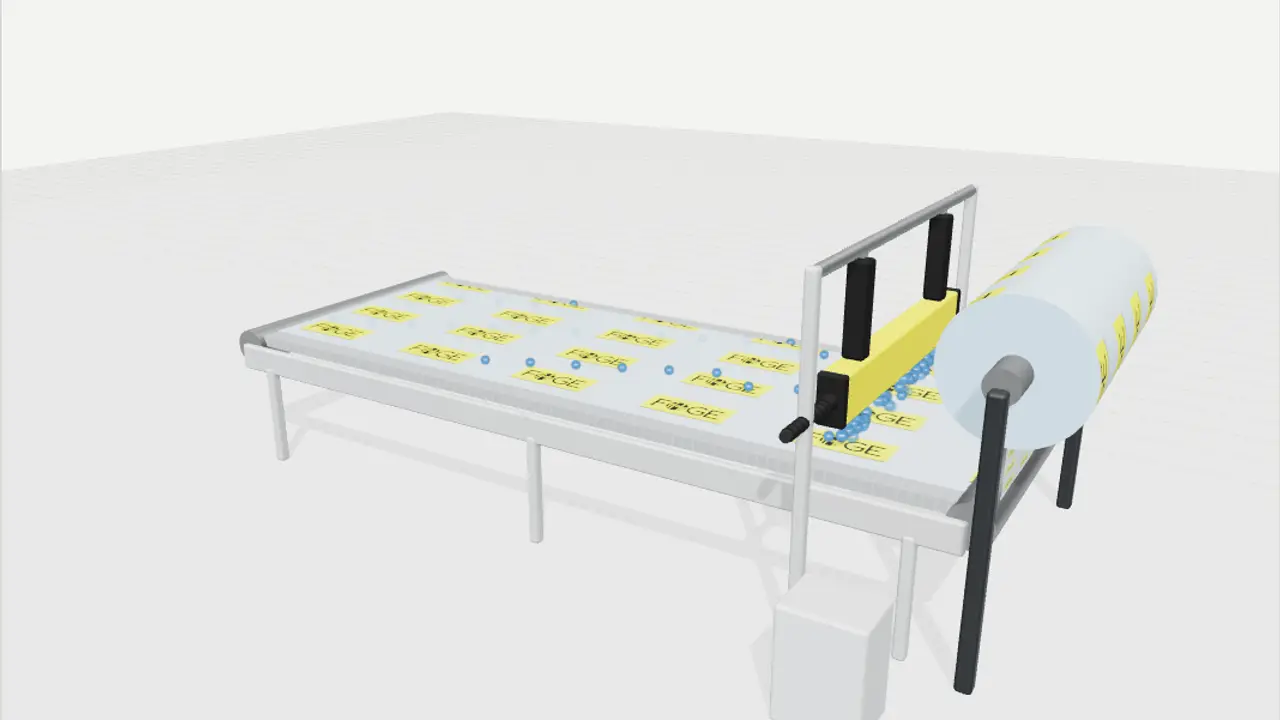
In wrapping, the thin film has to stay in contact with the belt or the product until it is sealed or shrunk. Without help it lifts, shifts and creases; mechanical clamps would mark the film.

The solution

A static generation (charging) bar is mounted across the film right after the film roll. It deposits a controlled, even charge of one polarity on the film, which then holds flat to the grounded conveyor — without clamps. Unlike an ionizer, the charging bar charges the material on purpose.

Application

Electrostatic pinning of thin films on wrapping and packaging machines to keep the film flat and in position until sealing or shrinking.

Products used: SE-SGB-30

Open the 3D application

Suitable FÖGE products

Discuss your application

Describe your process — we select the static control product and mounting position with you, and visit you on site when needed.

Contact